
Lake District – heritage conversion
Case study: Breathable insulation for a listed Lake District barn conversion
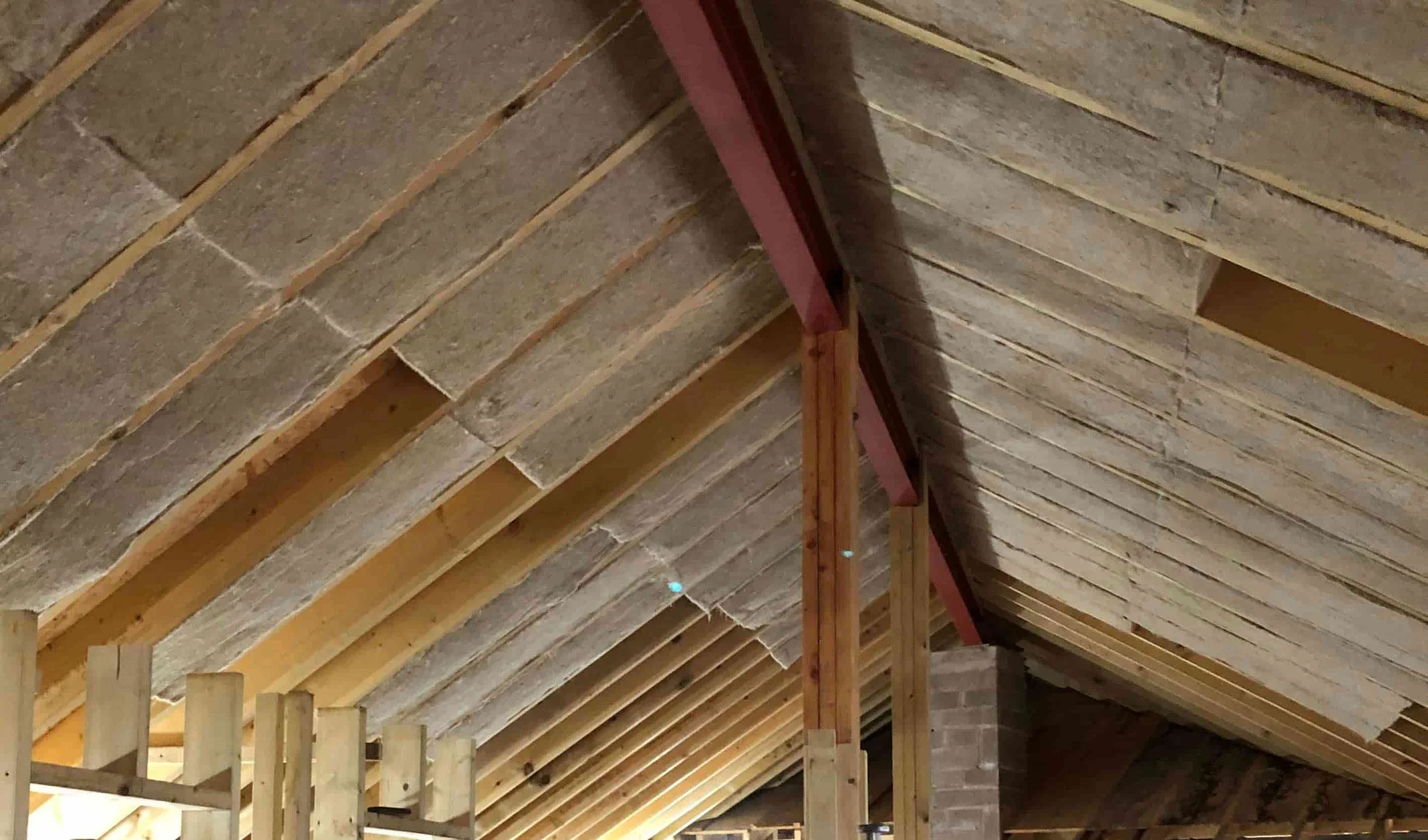
Project: Heritage barn conversion / luxury residential retrofit
Insulation product: IndiTherm and IndiSilence
Architect / Developer: Carrock Homes
Building type: Listed building with traditional stone construction
Location: Lake District, England
Project overview
A large luxury barn conversion on the northern edge of the Lake District required a carefully considered insulation strategy to balance modern performance with heritage preservation.
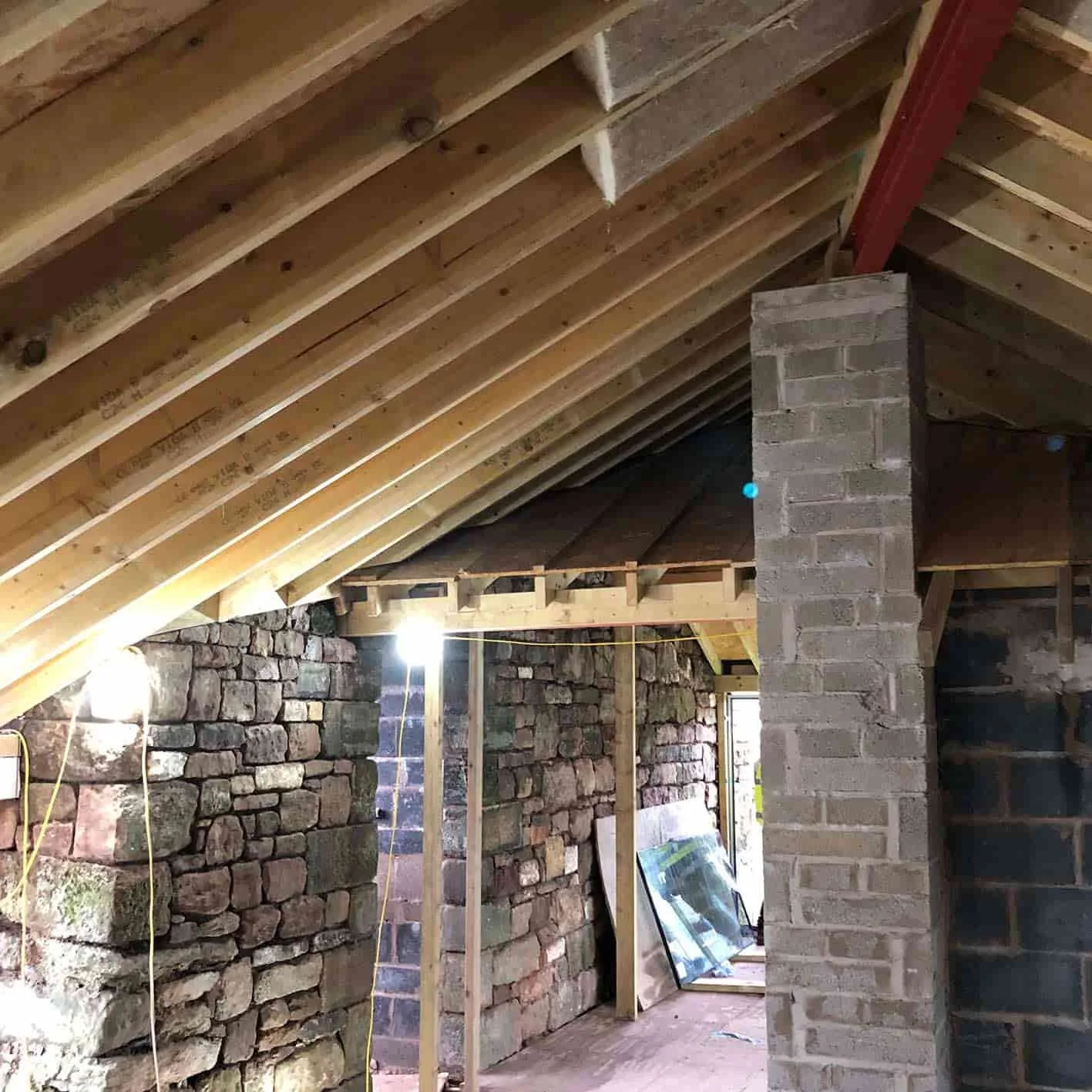
The building is a listed structure constructed with metre-thick stone walls, typical of traditional agricultural buildings in the region. Renovating the property meant ensuring the building fabric remained breathable, allowing moisture to move naturally through the structure and preventing long-term damage to the building.
The architect therefore specified natural fibre insulation solutions that could meet modern building regulation requirements while respecting the behaviour of traditional building materials.
IndiNature’s IndiTherm and IndiSilence insulation provided a breathable, low-carbon solution suited to both the environmental ambitions of the project and the technical requirements of heritage renovation.
Key challenges:
Meeting breathability in metre-thick stone walls
Meeting building regulations in a listed building
Delivering high thermal and acoustic comfort
Why IndiTherm natural fibre insulation was chosen
For heritage buildings such as this Lake District barn conversion, breathability is essential. Conventional insulation can trap moisture within historic walls, potentially causing condensation and fabric deterioration.
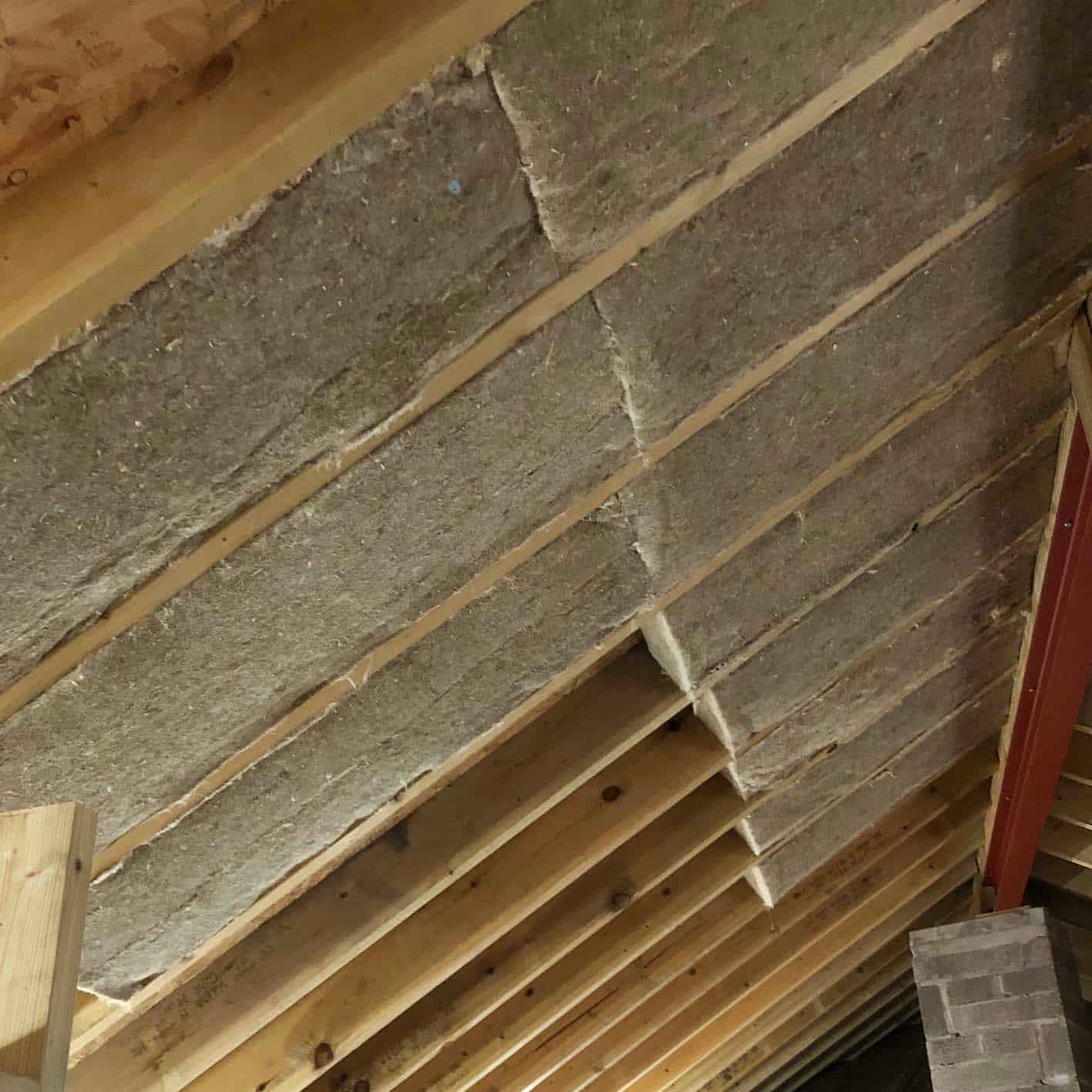
IndiTherm natural fibre insulation was selected to be installed between the roof rafters because it:
Supports breathable construction systems
Helps regulate moisture within traditional building fabric
Provides strong thermal performance
Is manufactured in the UK using sustainable natural fibres
The clients were particularly keen to prioritise sustainable building materials, making a natural fibre insulation solution an ideal fit for the project.
Improving acoustic comfort with IndiSilence
Alongside thermal performance, the project team also wanted to enhance acoustic comfort inside the home.
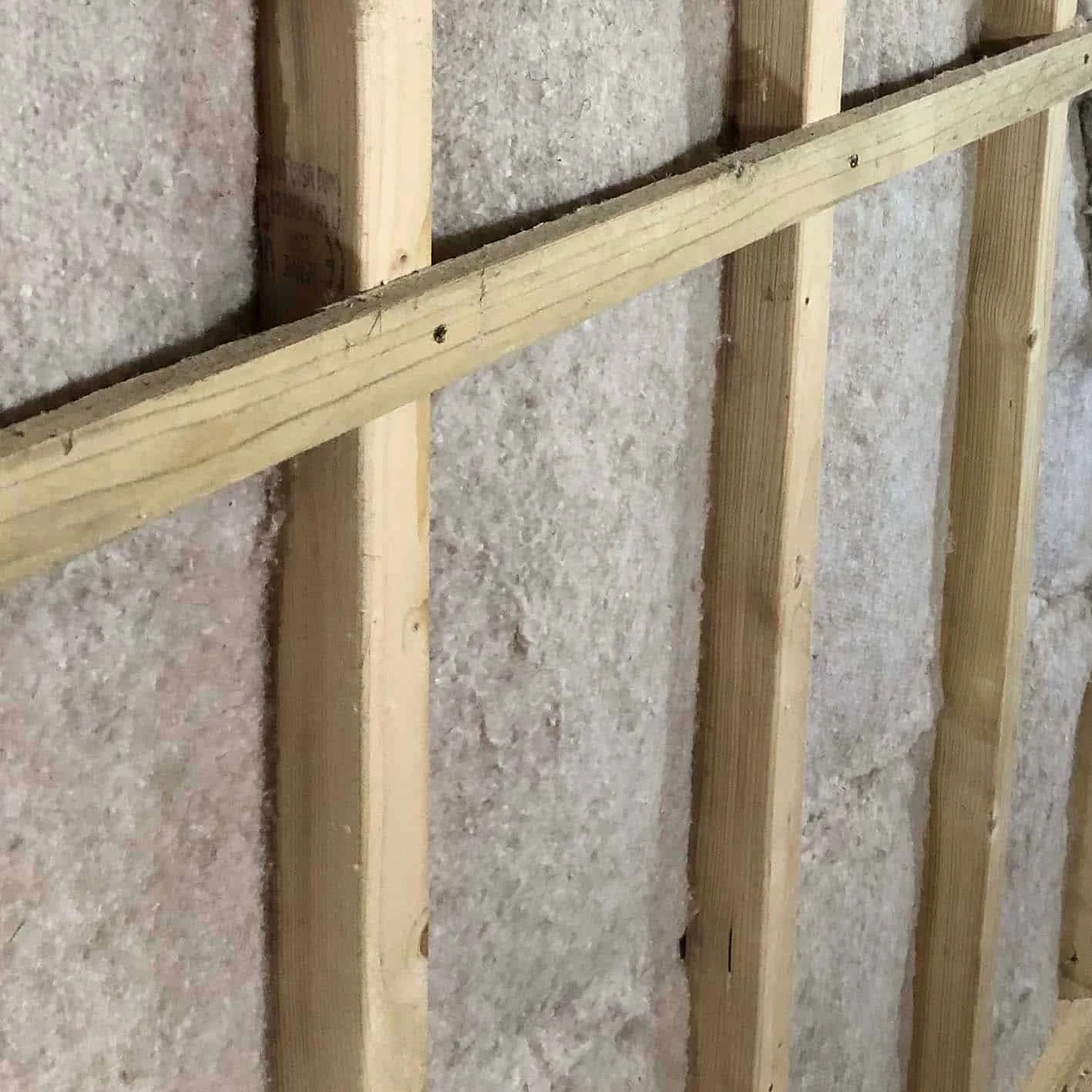
IndiSilence acoustic insulation was installed within a staggered stud wall system, where the upright studs are offset to uncouple the two sides of the wall and reduce sound transfer through solid materials. IndiSilence was woven horizontally between the opposing studs in two layers to achieve an overall thickness of 50mm and is held securely in place by the stud arrangement.
This approach improved the overall feel and sound quality of interior spaces, creating quieter and more comfortable living environments throughout.
“Our clients had a strong desire to use sustainable products throughout this barn conversion. IndiNature products provided this with the bonus of being UK sourced.
Working with the local IndiNature representative, we met and exceeded building regulation requirements with a cost-effective solution.
We will be using this again in our future projects – both heritage and new build.”
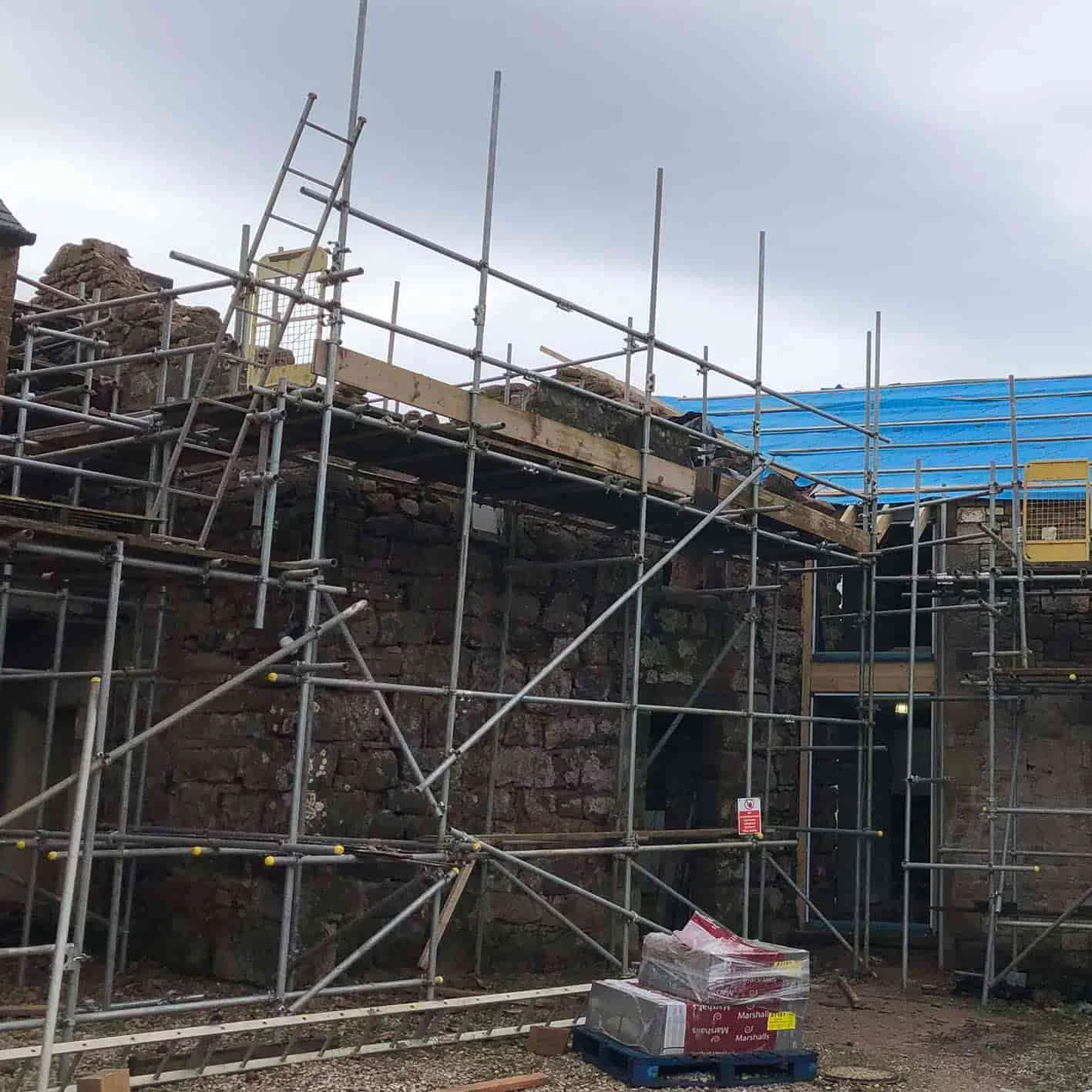
Efficient installation and site benefits
During installation, the team noted several practical advantages when working with IndiNature insulation products.
The materials were quick to install, helping reduce time on site while minimising waste. Their flexibility also allowed the insulation to fit easily within the building’s structure, which is particularly important in renovation projects where surfaces are rarely uniform.
The project team also benefited from support provided by IndiNature’s technical and regional representatives, who helped guide the specification.
Key takeaways
The barn conversion demonstrates how breathable natural fibre insulation can support the retrofit of historic buildings, delivering modern comfort and energy performance while protecting traditional building fabric.
By combining IndiTherm thermal insulation with IndiSilence acoustic insulation, the project achieved a balance between:
Heritage conservation
Sustainable material use
High thermal and acoustic performance
Compliance with modern building regulations
Ready to specify?
Our technical team can provide:
Product samples
Thermal calculations
Surface and interstitial condensation risk analysis*
Guidance for upcoming projects
Advice on compatible materials and construction systems
*Condensation risk analysis is carried out using the Glaser method and carried out under BS EN ISO 13788.